Guides
Childcare center equipment under review: the good, the weak and the verdict
A childcare center equipment review names cribs, changers, play yards and parent messaging software, and says which picks hold up in a licensed room.
| Equipment case | Stronger choice | Weak point to avoid | Key figure or check |
|---|---|---|---|
| Sleep | Full-size commercial cribs, bought new in one model | Household, drop-side or undated secondhand cribs | $300 to $600 per crib; evacuation cribs $500 to $900 |
| Diapering | Anchored, fold-down commercial station with strap and raised edge | Freestanding household tables or sliding pads | $250 to $550 before anchoring and installation |
| Play yards and room separation | Steel mesh play yards, hardware-mounted gates and locking dividers | Home-use pop-up yards or pressure-mounted gates | Hardware-mounted gates typically cost $70 to $120 |
| Outdoor play | Surfacing chosen for the equipment's fall height | Grass, dirt or a single mat layer | Installed costs range from $1.50 to $25 per square foot, depending on surface |
| Furniture | Solid wood or steel frames with available replacement hardware | Particleboard and flat-pack home furniture | Compare service life, repairs and staff time, not just the invoice |
| Office systems | Attendance, billing, subsidy reporting and waitlist tools with full data export | Systems that lock records in or cannot produce required reports | $100 to $400 per site monthly, or about $2 to $8 per child monthly at 50 to 60 children |
Conditions shared by every purchase
A licensed childcare room must withstand an inspection, a ratio check and a room of toddlers at once. Cribs, changing tables, play yards, sleep mats and playground surfacing are commonly cited items, so prioritize these and buy them well.
Foundations, Koala Kare, Jonti-Craft and Community Playthings build for classrooms; household brands such as DaVinci and Graco do not.
A center buys two classes of equipment: items children touch and systems the office runs. Both create a cost per child per month, and either can fail in ways that appear on an inspection report or a payroll line. Price per unit matters less than repair history, replacement parts and how quickly a failure takes equipment out of service.
This is general business information, not supervision or ratio advice, nor child-safety, licensing, health or legal advice. Requirements depend on your state or territory, program type, ages served and facility. Confirm current rules with the licensing authority that inspects your center.
Sleep equipment: standardize the crib fleet
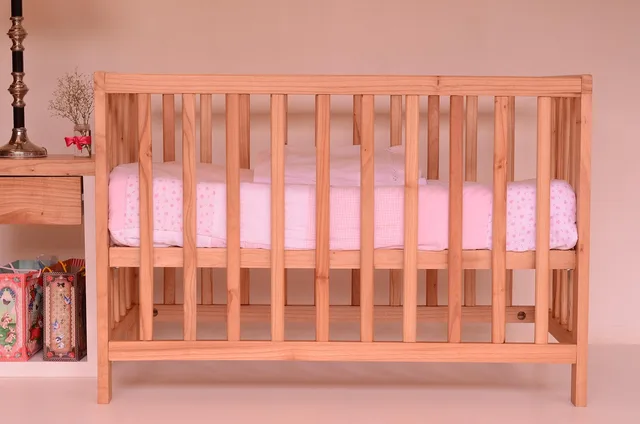
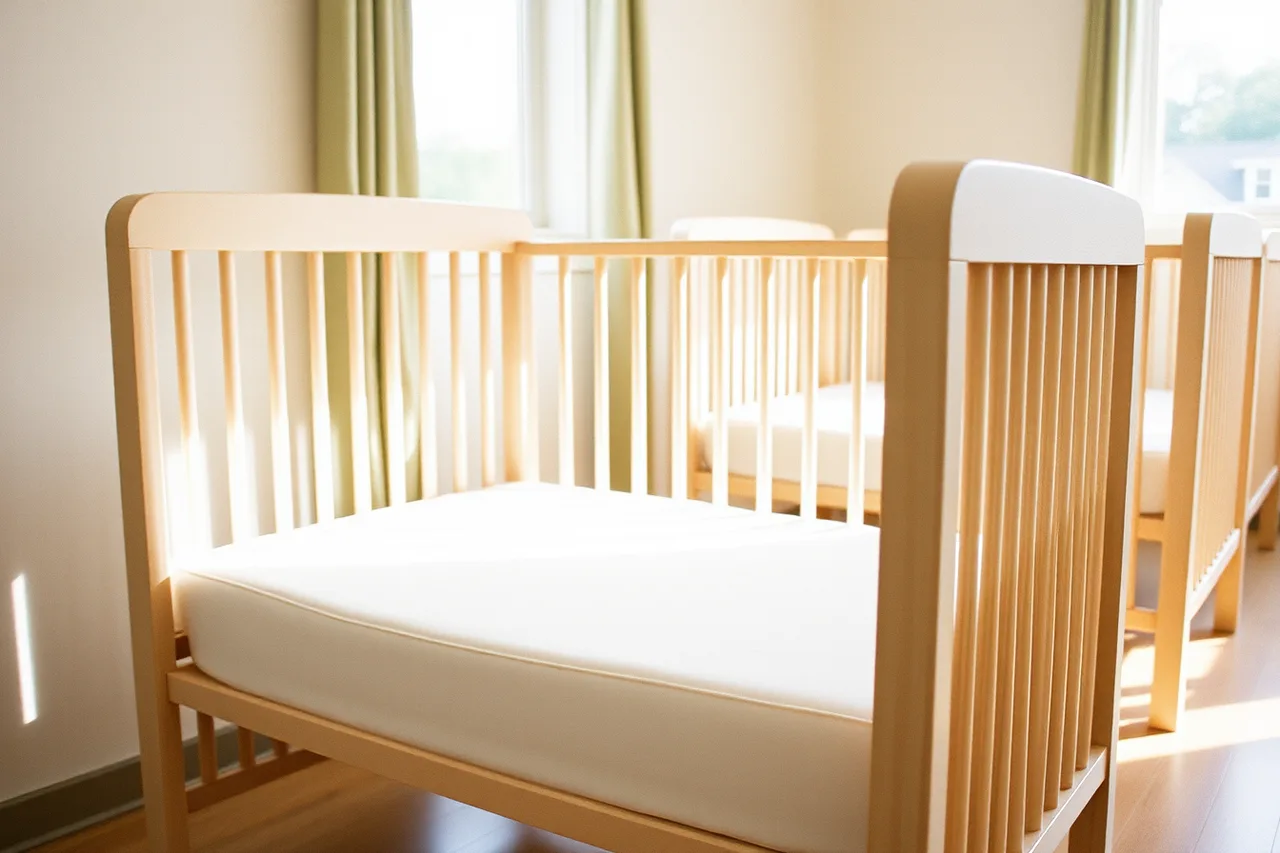
Choose new, full-size commercial cribs for licensed rooms. Foundations makes fixed-side models, while catalogs such as Kaplan Early Learning and Lakeshore Learning carry the same class of unit. A commercial crib takes a full-size mattress without a gap, and a continuing model line helps keep mattresses, hardware and sheets available.
The federal crib rule took effect in 2011 and banned drop-side rails, making an inherited drop-side crib non-compliant before inspection. The federal standard sets interior dimensions at no less than 27 1/4 by 51 5/8 inches; a mattress that leaves a gap fails that check. The federal crib rule is a useful reference for this requirement.
A commercial crib typically costs $300 to $600 as of 2026, while an evacuation crib on casters for infant-room fire drills typically costs $500 to $900. Keep to one model so sheets, mattresses and parts interchange. A mixed fleet means varied sheets and repairs, plus staff guessing which mattress belongs where at nap time.
Diapering stations: anchor them and keep one available
A wall-mounted, fold-down changing station with a safety strap and raised edge is the stronger choice. Koala Kare makes many commercial units in horizontal and vertical builds, typically rated for children up to about 50 pounds.
Mounting frees floor area in a small room, supports cleaning between children and keeps the child at counter height.
Avoid freestanding wooden tables, dresser-top pads made for home use, sliding pads and stations with a missing strap. These are weak choices for a busy room. A fixed commercial unit also gives staff a defined changing surface rather than a pad placed in a corner.
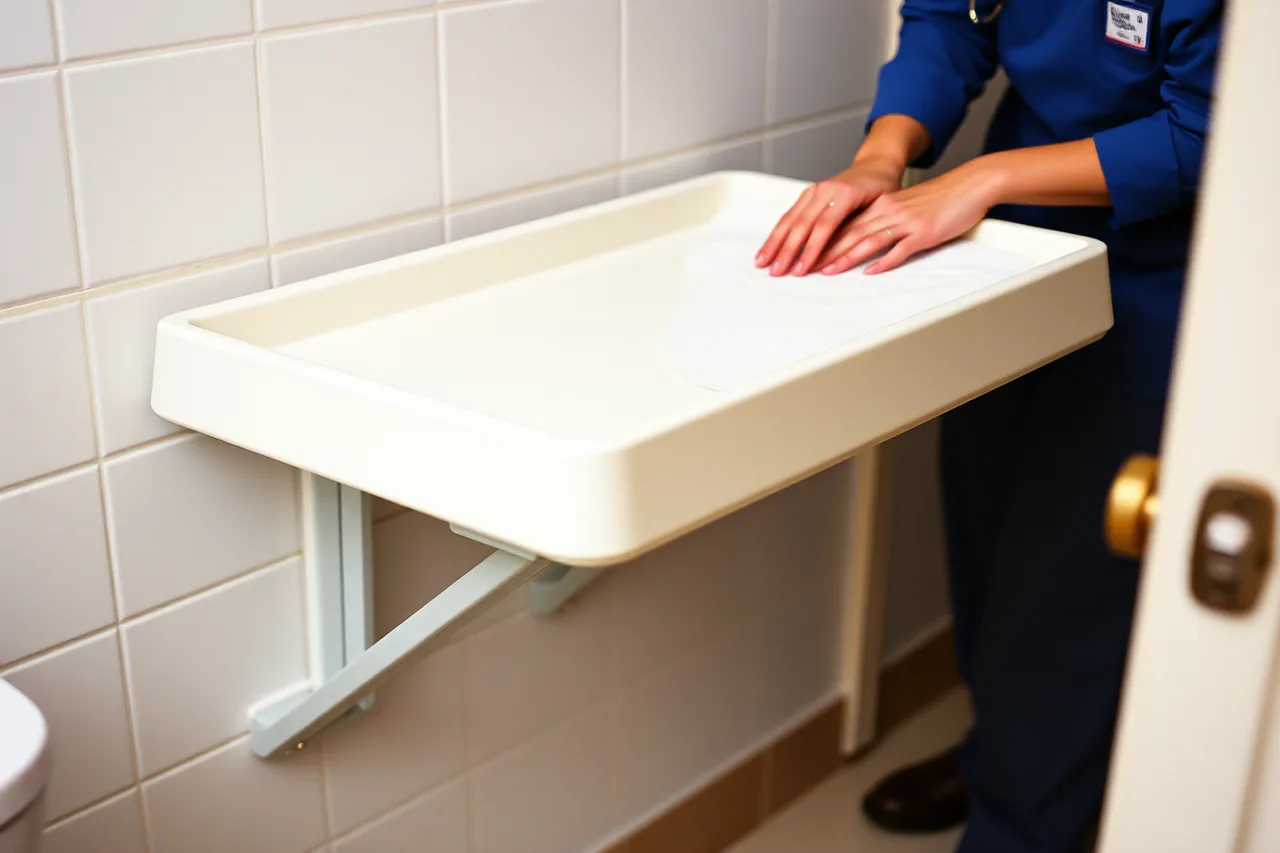
Mount the station into studs and keep a second changing surface in the toddler room. If one table serves two rooms, a staff member must leave a room to change a child, creating a supervision problem before it becomes an equipment problem. A wall-mounted commercial station typically costs $250 to $550 as of 2026, before the anchor kit and installation.
Play yards, gates and movable room divisions
Steel-framed play yards with mesh sides suit infant and toddler rooms: they fold flat, withstand daily setup, and mesh tears are easy to spot during daily checks.
The CPSC rule for non-full-size cribs and play yards, 16 CFR 1221, sets the standard the mesh and floor must meet. Choose matching equipment so staff can recognize its condition.
Avoid home and travel products such as the Graco Pack 'n Play and Summer Infant Pop 'n Play, along with pressure-mounted gates that a determined four-year-old can push out. Hardware-mounted Cardinal Gates screw into wall framing and latch without a pressure bar, typically costing $70 to $120. A pressure-mounted Regalo Easy Step gate costs $40 to $60 and lifts out by hand.
Buy fewer gates and use the same model, so staff can tell at a glance whether each is latched correctly. Jonti-Craft room dividers on locking casters split a large room into two age groups without a permanent wall. The casters matter because a divider that drifts can open a sightline staff were relying on.
Outdoor surfacing: match protection to fall height
Engineered wood fiber, poured rubber and rubber tiles are the three surfacing choices most centers compare. Zeager Bros. and Fibar Group supply engineered wood fiber; SofSurfaces makes poured-in-place rubber and rubber tile systems.
Poured rubber costs the most initially and the least in annual topping-up, while loose fill costs least to install.
In most markets as of 2026, installed engineered wood fiber runs about $1.50 to $3 per square foot, rubber tiles about $8 to $15, and poured-in-place rubber about $16 to $25. Loose fill needs raking, topping up and a depth check after heavy rain; annual topping-up adds roughly $0.30 to $0.75 per square foot. Grass, dirt and one mat layer fail when fall height exceeds what the surface can absorb.
Depth determines the fall height covered. The CPSC playground handbook says 6 inches of engineered wood fiber covers a 6-foot fall, while 9 inches covers 10 feet. These figures come from an ASTM F1292 impact test, where a G-max of 200 or less is the pass line.
Choose surfacing for the equipment's fall height, not the budget line, and obtain that height from the manufacturer. Specifications are safety-critical and set by CSA standards and your licensing inspector, so confirm the figures with them before ordering. A thousand square feet of poured rubber at $16 to $25 per square foot costs $16,000 to $25,000, often more than the climber it protects.
Classroom furniture: favor repairable frames
Solid wood or steel-frame tables and shelving are the stronger options. Community Playthings makes hardwood classroom furniture in the United States, and Jonti-Craft builds in Minnesota; both offer replacement hardware instead of requiring a whole new unit. These pieces can be climbed on, refinished and tightened when bolts loosen.
Particleboard with cam locks and laminate edges can swell when a cup of water spills; cheap plastic and particleboard often fail at hinges, bolts and laminate edges, where injuries and citations can begin. Flat-pack home furniture from IKEA and similar stores is not built for a room of twenty children. Buy fewer, heavier pieces: a cubby lasting ten years costs less per year than three that fail at the third.
Office software: test the export before signing
Choose software that handles attendance, billing, subsidy reporting and a waitlist together, with an export for every record entered. Brightwheel, Procare Solutions, Lillio and Kangarootime are four names centers compare.
Billing, attendance and waitlist software is equipment too, because weak systems can leave a center unable to take its own data elsewhere.
- Lillio was called HiMama until its 2023 rebrand.
- Brightwheel began with parent check-in and photos, then added billing and attendance in the same app.
- Procare Solutions offers desktop and cloud billing, plus subsidy paperwork requested by many state programs.
- Kangarootime suits centers operating more than one site.
Weak choices lock child records behind a subscription that cannot be left or fail to produce the attendance report required by a subsidy agreement. QuickBooks handles invoices but not attendance, ratios or subsidy forms; Remind sends messages and nothing else. Most vendors price by center and tier rather than publishing a list price.
As of 2026, one site typically costs $100 to $400 monthly, roughly $2 to $8 per child per month at 50 to 60 children. Run your own data through a trial before signing and ask to see the export file first. If a vendor will not show one, treat that as your answer.
Purchase records: keep the item and its paperwork together
Keep the invoice, warranty, assembly instructions and repair history together, because an inspector or insurer may ask for them. Begin with the childcare center equipment list before pricing purchases. The Koala Kare install sheet and the parts list for your crib model belong in the same folder as the invoice.
Childcare.gov sets out health and safety requirements used to measure licensed care, including building safety and emergency planning. It also explains that states and territories set their own licensing rules, so ratios, qualifications and equipment obligations are local. Check applicable rules against your program and facility before committing the capital budget.
OSHA safety management guidance focuses on finding and fixing hazards before an injury or inspection does so. Lifting a toddler, moving a crib and mopping a changing station are examples. The IRS explains records a business should keep, including purchases, payroll and assets; those records support the accountant when equipment is depreciated.
A twelve-crib replacement decision
Use the supplier's replacement price and your repair log to compare the cost of keeping an aging fleet with the cost of replacing it.
The example below assumes twelve cribs, current units that are eight years old, two broken frames, annual repair cost represented by R per crib, and a citation amount set by the licensing authority plus staff time to correct it.
- Set the purchase amount as C per crib. At $300 to $600 per commercial crib as of 2026, twelve new cribs cost $3,600 to $7,200.
- Compare that with repairs, which typically run $50 to $150 per crib per year for an aging fleet. Across twelve cribs, the annual amount is R times twelve.
- If C times twelve is less than R times twelve times the years you expect to keep the cribs, replace them now. If repair costs are small and the frames are sound, keep them and replace two each year from the operating budget.
- The arithmetic depends on your supplier and repair log; the cost of a citation depends on the licensing authority, with staff time to correct the issue added.
Inspection rhythm and the final purchase rule
Check daily anything a child sleeps in, sits in or climbs on, and inspect the rest monthly. Log the check, the fault and the date the item leaves the room.
A licensing inspector may ask for that log, and so may an insurer after an incident; daily checks make repair and removal decisions traceable.
The weakest early purchases are secondhand cribs, household changing tables and playground equipment installed without matching fall height to the surfacing. Each can look cheaper on the invoice but cost more in repairs, citations or replacement within two years. Confirm what is permitted with your state or territory licensing authority and the inspector for the specific item.
Lower prices save money only when equipment lasts. Divide its purchase price by the years it survives, then add repair bills and staff time spent working around failures. Particleboard furniture rarely wins that comparison, and neither does software that cannot export records. Equipment involving sleep, diapering, outdoor play or transport is safety-critical, so check CSA standards and inspector guidance rather than relying on supplier marketing.
The overall buying rule is to choose commercial equipment for items children touch, buy those items new in one model, and keep the parts list. Choose office software by whether its export file works for your records. Treat other purchases as repair decisions, weighing service life and replacement parts against price per unit.